
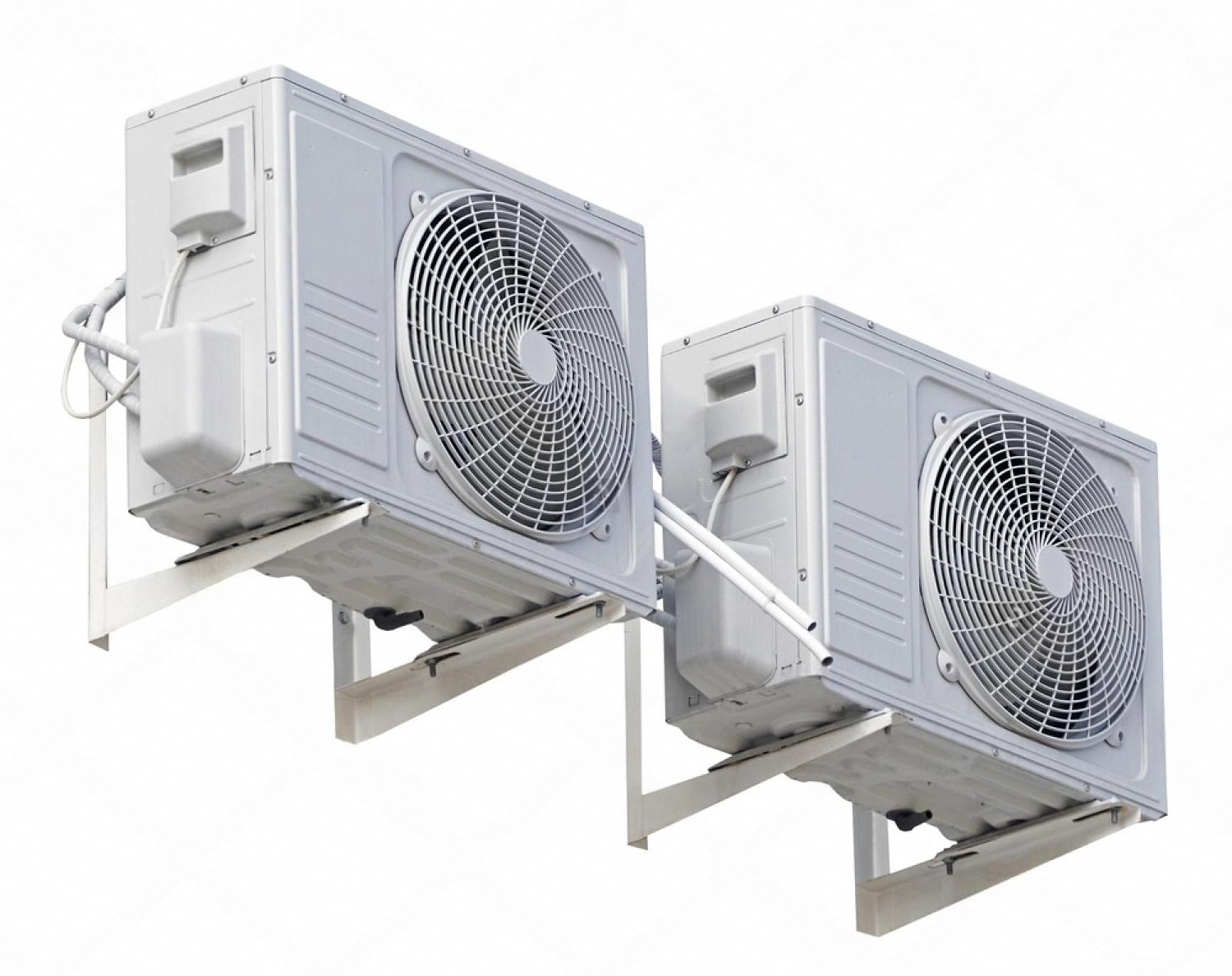
Portable air conditioners are a practical fix when the built-in cooling in a space is not enough, is temporarily out of action, or simply does not exist yet. In the UAE, where summer temperatures often push past 45°C, being without proper cooling for even a few days is not just uncomfortable, it can be a health and productivity issue. That is why many households, offices, and businesses look at portable AC units the moment their regular system struggles or a new space needs cooling fast.
Buying one, though, is not always the right move. A portable air conditioner is a real investment, and it needs storage, maintenance, and eventually replacement. In a lot of situations, renting a unit for a defined period is cheaper, easier, and better matched to how long you actually need the cooling for. This guide walks through when renting genuinely makes more sense than buying in the UAE context.
Short-term needs
When you only need cooling for a short period
The clearest case for renting is a defined, temporary requirement. If you know the cooling job has an end date, buying a unit means paying for equipment you will barely use, then dealing with where to keep it afterwards. Renting matches your spend to the actual duration.
Common short-term situations in the UAE where renting a portable AC works well include:
- Home renovationswhen the main AC is disconnected during ceiling, ducting, or flooring work.
- Short-term office usesuch as a project team occupying a temporary floor or a satellite workspace.
- Temporary accommodationincluding staff housing, guest rooms, or serviced units where the existing system is undersized.
- Seasonal coolingfor majlis extensions, garden rooms, or storage areas only used during peak summer.
- Temporary work sitesincluding site offices, security cabins, and prayer rooms on active projects.
In each case the requirement usually runs from a few days to a few months. A rental contract can be scaled to that exact window, so there is no capital tied up in a machine that will sit idle for the rest of the year.

Lower upfront outlay
Renting keeps the investment small
Buying a good-quality portable AC in the UAE is not a small line item, and industrial-grade units cost several times more than a domestic one. Renting turns that single large payment into a predictable weekly or monthly cost.
For a business, that difference matters in more than one way. Rental fees are usually treated as an operating expense rather than a capital purchase, which is easier on cash flow and simpler on the books. You also avoid the hidden costs that come with ownership: servicing, spare parts, gas top-ups, storage between seasons, and eventual disposal. If a unit breaks down mid-rental, the supplier swaps it out at their cost, not yours. For a homeowner covering a two-month renovation, the maths is even simpler, a few hundred dirhams a month for a rented unit is far less than buying a machine that then lives in a cupboard for the next five years.
Industries that benefit most from renting
Certain sectors in the UAE lean heavily on rented cooling because their cooling needs shift with projects, seasons, or events. Renting gives them the right unit at the right time without inflating their asset register.
Construction
Site offices, welfare cabins, and temporary workshops need cooling for the length of a build, which might be three months or three years. Portable units, and larger outdoor coolers, move from zone to zone as the project progresses.
Warehousing
Storage facilities often need extra spot cooling for sensitive stock during peak summer months, or when handling a specific inbound shipment. Renting avoids paying to cool the whole space year-round.
Retail
Pop-up stores, seasonal kiosks, and mall activations run for weeks rather than years. A rented portable AC keeps the space comfortable for shoppers without any permanent installation.
Hospitality
Hotels, banquet halls, and outdoor venues bring in extra cooling for weddings, conferences, and Ramadan tents. For outdoor events, outdoor air cooler rentals in Dubai are a common way to keep guests comfortable without altering the venue.
Healthcare
Clinics running temporary vaccination drives, mobile screening units, or backup cooling during central AC servicing all rely on short-term rentals to keep staff and patients safe in the heat.
Events & media
Film shoots, exhibitions, and stage productions need discreet, movable cooling that fits the schedule of the event, not a permanent install.
Renting vs buying: the real differences
Both options end in the same result, a cool room, but the path there is very different. The table below summarises where each option genuinely wins so you can match it to your own situation.
| Factor | Renting | Buying |
|---|---|---|
| Upfront cost | Low, weekly or monthly fee | High, full unit price paid at once |
| Best for | Days to a few months | Year-round, repeated use |
| Maintenance | Included with the supplier | Owner pays for servicing and parts |
| Storage | Returned when finished | Needs indoor space off-season |
| Breakdown risk | Supplier replaces the unit | Owner covers repair or replacement |
| Flexibility of size | Swap capacity as needs change | Locked into the model you bought |
| Accounting | Operating expense | Capital expense, depreciates |
Buying still makes sense when a home or business genuinely uses a portable AC most weeks of the year, for the same space, for several years in a row. Outside of that pattern, renting almost always comes out ahead once you add up storage, servicing, and the risk of the unit ageing out before you have recovered its cost.
Practical signs that renting is the smarter call
If you are still unsure, these are the questions that usually settle it. Any two or three “yes” answers point toward renting.
- Is the need tied to a specific project or season? Renovations, events, and summer-only spaces all favour rental.
- Do you need a specific capacity you may not need again? A large tonnage unit for one warehouse job is expensive to own for a single use.
- Would storing the unit be a problem? Villas and offices in the UAE rarely have spare space for bulky equipment.
- Do you want maintenance handled for you? Rentals include servicing, so there is no separate contract to manage. According to the general guidance on air conditioning systems regular servicing is essential to keep any unit running efficiently.
- Is cash flow tighter than usual? A monthly rental fee is easier to absorb than a lump-sum purchase.
The bottom line
Renting a portable air conditioner is often the smarter choice in the UAE whenever cooling is needed temporarily, whether that is for a renovation at home, a short-term office, a construction site, a retail pop-up, or a healthcare drive. It keeps the upfront cost low, hands the maintenance headache to the supplier, and lets you match the equipment to the exact size and duration of the job. Buying still has its place for long, steady, year-round use, but for anything shorter or more variable, a rental almost always makes better financial and practical sense.
Frequently asked questions
How long can I rent a portable air conditioner in the UAE?
Most suppliers in the UAE offer flexible terms, from a single day up to several months or even years for long-running projects. Daily and weekly rentals are common for events and short-term work, while monthly contracts suit renovations, site offices, and seasonal use.
Is renting a portable AC really cheaper than buying one?
For short and mid-term needs, yes. When you compare the rental fee against the purchase price plus servicing, spare parts, storage, and eventual disposal, renting almost always costs less if you will use the unit for less than a full year of continuous operation.
For daily year-round use over several years, buying can become the better long-term choice.
Does the rental include installation and maintenance?
Most reputable UAE rental providers include delivery, positioning, basic installation, and any routine maintenance during the rental period. If the unit develops a fault, the supplier typically replaces it at no extra cost, which is a major advantage over owning.
What size portable AC should I rent for my space?
Capacity is measured in BTU or tonnage. As a rough guide, a small room may need a 12,000 BTU unit, a medium office space around 18,000 to 24,000 BTU, and warehouses or event tents will need much higher-capacity industrial units. A good supplier will size the unit based on the room dimensions, ceiling height, insulation, and the number of people or heat-generating equipment inside.
Can portable ACs handle UAE summer temperatures?
Yes, provided the unit is correctly sized and vented. Industrial and commercial portable units are built for high ambient temperatures and are widely used on construction sites and outdoor events across Dubai and Abu Dhabi throughout the summer.
Undersized domestic units may struggle in peak heat, which is another reason to size the equipment properly with the rental supplier before booking.
Are outdoor cooling rentals different from indoor portable ACs?
Yes. Indoor portable air conditioners work in enclosed rooms and need a vent for hot exhaust air. Outdoor cooling usually relies on evaporative air coolers or specialised misting systems designed to cool open or semi-open spaces such as tents, terraces, and event areas. Suppliers offer both, so the right choice depends on whether the space is enclosed or open.
What happens if the rented unit breaks down?
Under a standard rental agreement, the supplier is responsible for repairing or replacing a faulty unit, usually within the same day for urgent cases. This is one of the strongest arguments for renting rather than buying, since a breakdown does not leave you paying for repairs or a replacement machine.

Hello! My name is Jakub Novák, and I am a traveler from the Czech Republic. Since childhood, I dreamed of exploring new countries, and the UAE became one of the most exciting chapters of my journey. Giant skyscrapers, colorful markets, luxurious resorts, and endless deserts – all this makes traveling through the Emirates unforgettable.
In my blog, I share impressions, useful life hacks, the best routes, and tips for those who want to discover the UAE in a new way.